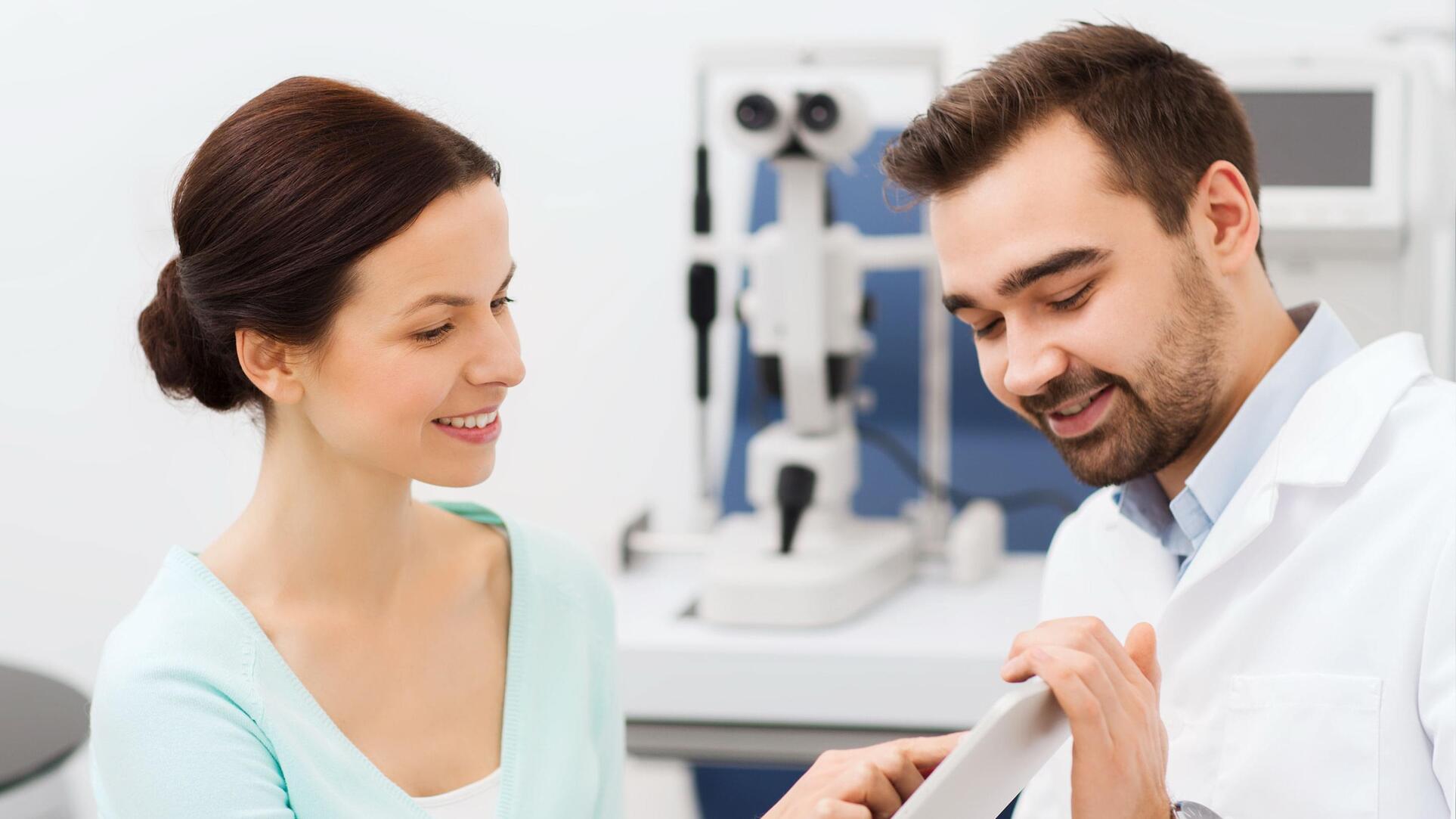
Senior Eye Care Guide: Protecting Vision as We Age
As we grow older, changes in vision are a natural part of aging—but vision loss doesn’t have to be. Understanding senior eye care and knowing what to expect can help older adults protect their eyesight, maintain independence, and enjoy daily life with confidence. This guide covers what happens to vision after age 50, common age-related eye conditions, and how to support healthy eyes well into your later years.
Vision in Your 50s and Senior Years
At what age does eyesight start to decline?
Most adults begin noticing vision changes in their 40s and 50s, with more significant changes becoming common after age 60. As we age, the eyes naturally become less flexible and more sensitive to light, making regular eye exams increasingly important for preserving long-term vision.
According to the American Academy of Ophthalmology (AAO), eye health after age 50 requires closer attention because some serious eye diseases, such as glaucoma and age-related macular degeneration, can develop without obvious symptoms. While presbyopia often appears with noticeable signs like difficulty reading up close, other conditions may progress silently and only be detected during a comprehensive eye exam.
Common Vision Changes in Older Adults and Seniors
Presbyopia and Reading Difficulties
Presbyopia makes it harder to focus on close objects, such as books, phones, or menus.
Can eye exercises improve vision?
Eye exercises can help reduce eye strain, but they cannot reverse presbyopia or other age-related vision changes. Corrective lenses remain the most effective solution.
Cataracts
Cataracts cause the eye’s lens to become cloudy, affecting clarity and contrast.
What are the early signs of cataracts?
Blurry or cloudy vision, increased glare, difficulty seeing at night, and colors appearing faded are common early symptoms.
Light Sensitivity and Glare
Many seniors experience increased sensitivity to bright light and glare, especially while driving or outdoors.
Dry Eye
Reduced tear production can cause dryness, irritation, and blurred vision, especially common in older adults and those taking certain medications.
The AAO recommends protective eyewear, proper hydration, and regular exams to help manage these changes.
How often should seniors get eye exams?
Most eye care professionals recommend annual comprehensive eye exams for adults over 60, even if vision seems stable.
Regular exams help detect conditions like glaucoma, macular degeneration, and diabetic eye disease before symptoms worsen.
If you’re unsure whether your prescription is still valid, our guide on how long eyeglass prescriptions are good for explains when updates may be needed.
Supporting Healthy Vision Through Lifestyle Choices
Healthy habits can make a meaningful difference in vision for seniors:
- Eat a nutrient-rich diet with leafy greens, omega-3s, and antioxidants
- Wear sunglasses with UV protection year-round
- Use proper lighting when reading or doing close work
- Manage chronic conditions like diabetes and high blood pressure
- Take regular breaks from screens and reading
Understanding Coverage and Affordability
Will Medicare cover eye exams for seniors?
Medicare typically does not cover routine vision exams, but it may cover exams related to medical conditions like glaucoma or cataracts.
Are eye tests free for the elderly?
Some community programs, nonprofit organizations, and vision insurance plans offer free or low-cost eye exams for seniors.
How do seniors get free glasses?
Seniors may qualify for assistance programs or low-cost eyewear options.
Learn more about vision assistance in our guide to free and low-cost eyeglasses and affordability resources.
Why Choose Yesglasses for Seniors
As vision needs change with age, having the right eyewear can make everyday tasks easier and more comfortable. Yesglasses offers eyewear solutions designed to support senior eye care, combining clarity, comfort, and convenience at an accessible price.
We offer reading glasses to support near-vision tasks like reading and crafting, along with anti-glare and blue-light lenses to improve comfort during screen use or under artificial lighting. For seniors with light sensitivity, our prescription sunglasses and polarized lenses help reduce glare and protect against harmful UV rays.
For those who want simplicity, our light-responsive (photochromic) lenses transition seamlessly from indoors to outdoors – eliminating the need to switch between multiple pairs of glasses. With durable frames, clear pricing, and easy online ordering, Yesglasses makes it easier for seniors to see clearly and stay active at every stage of life.
-
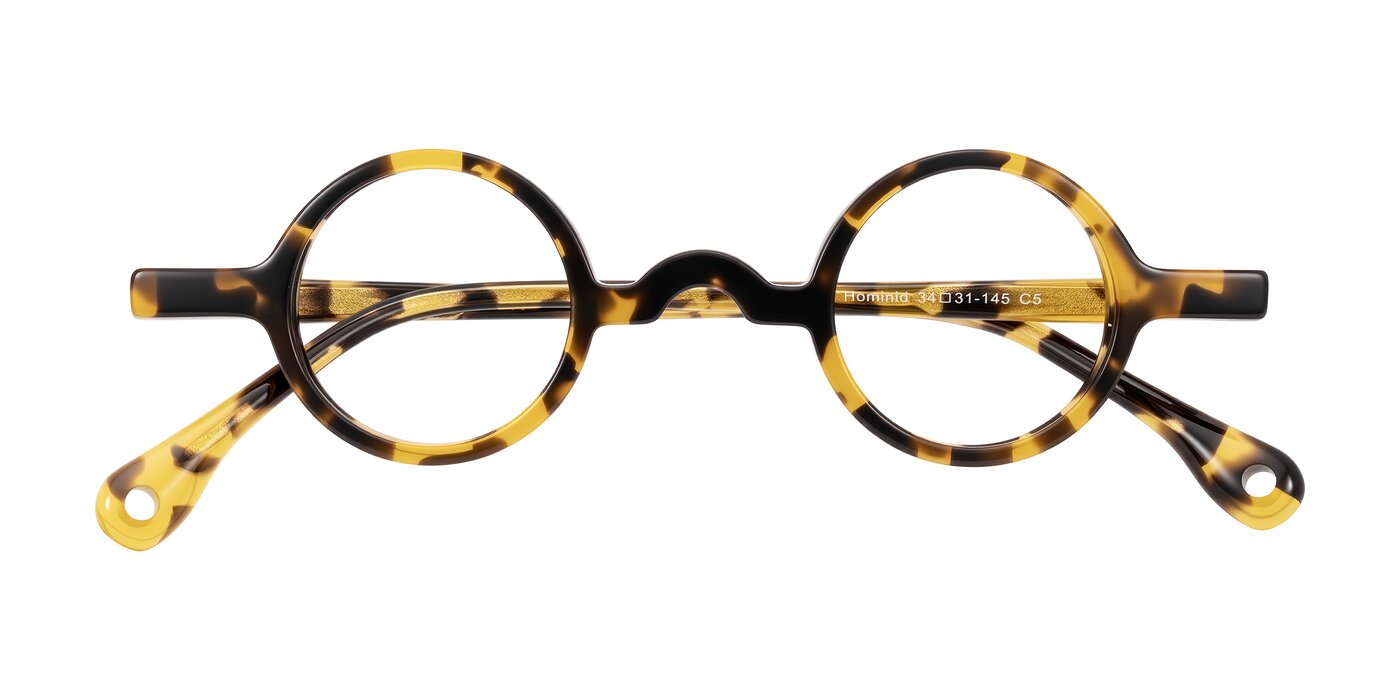
Hominid
-
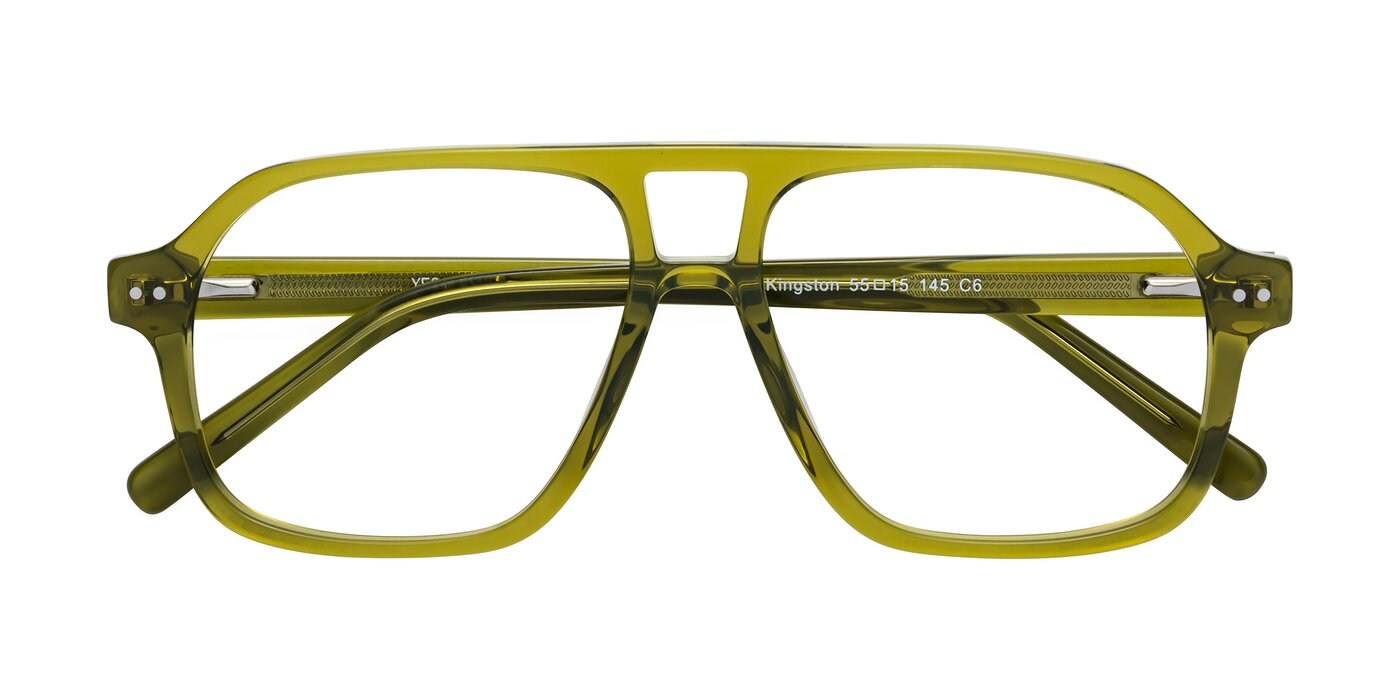
Kingston
-
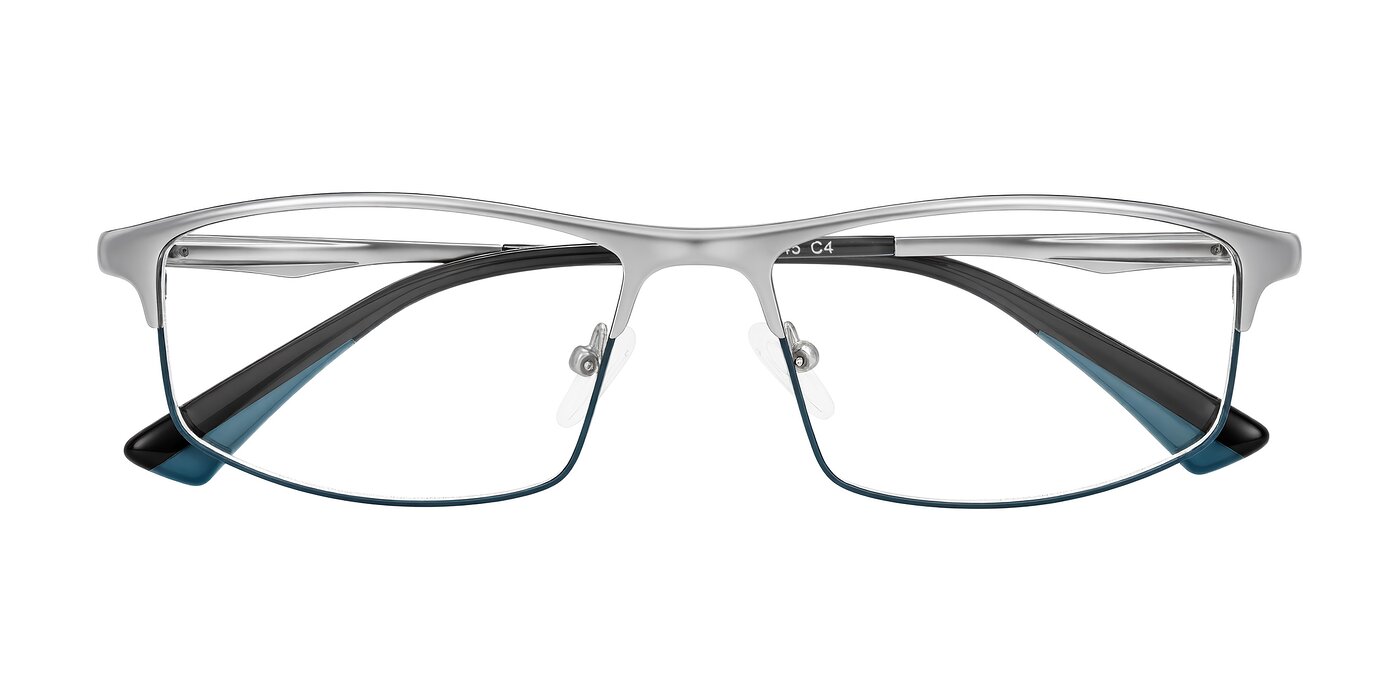
Monnow
-
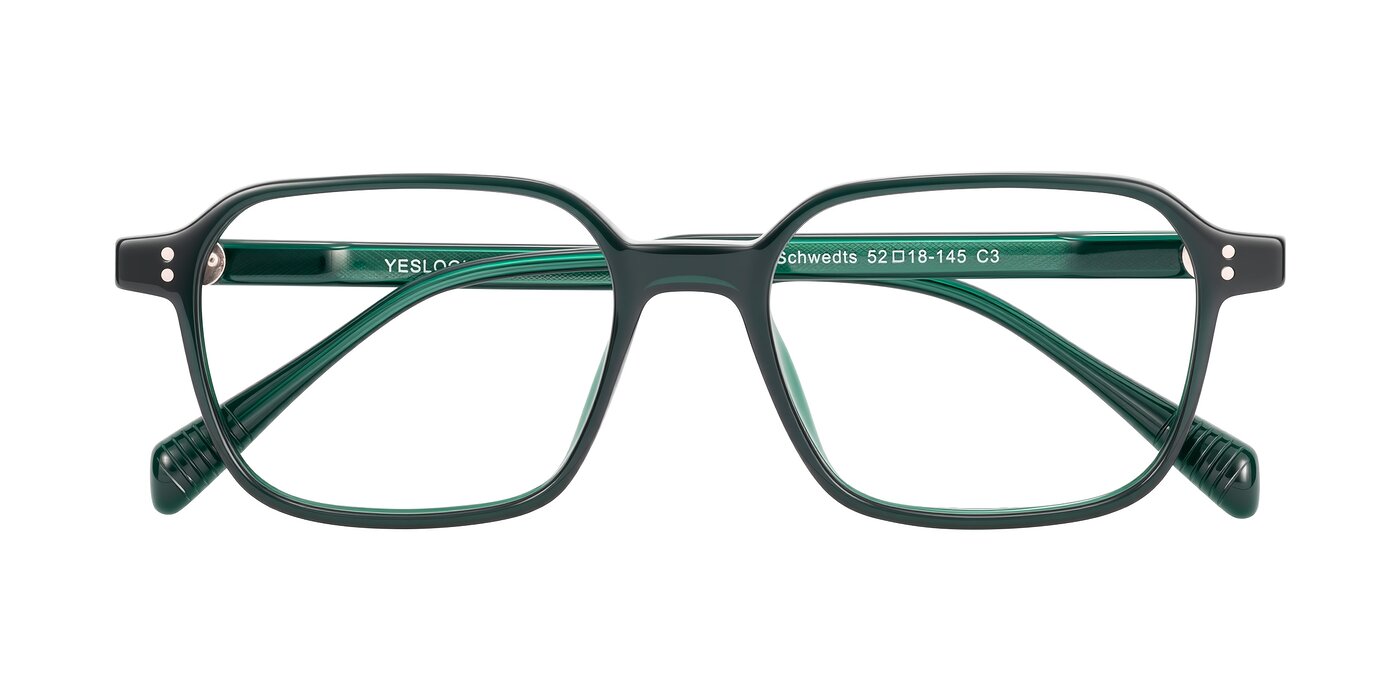
Schwedts