Eye Exercises That Actually Help Tired Eyes
Staring at a screen for hours on end is just part of life now. Whether you're working, studying, or unwinding with your phone, your eyes don’t often get a break.
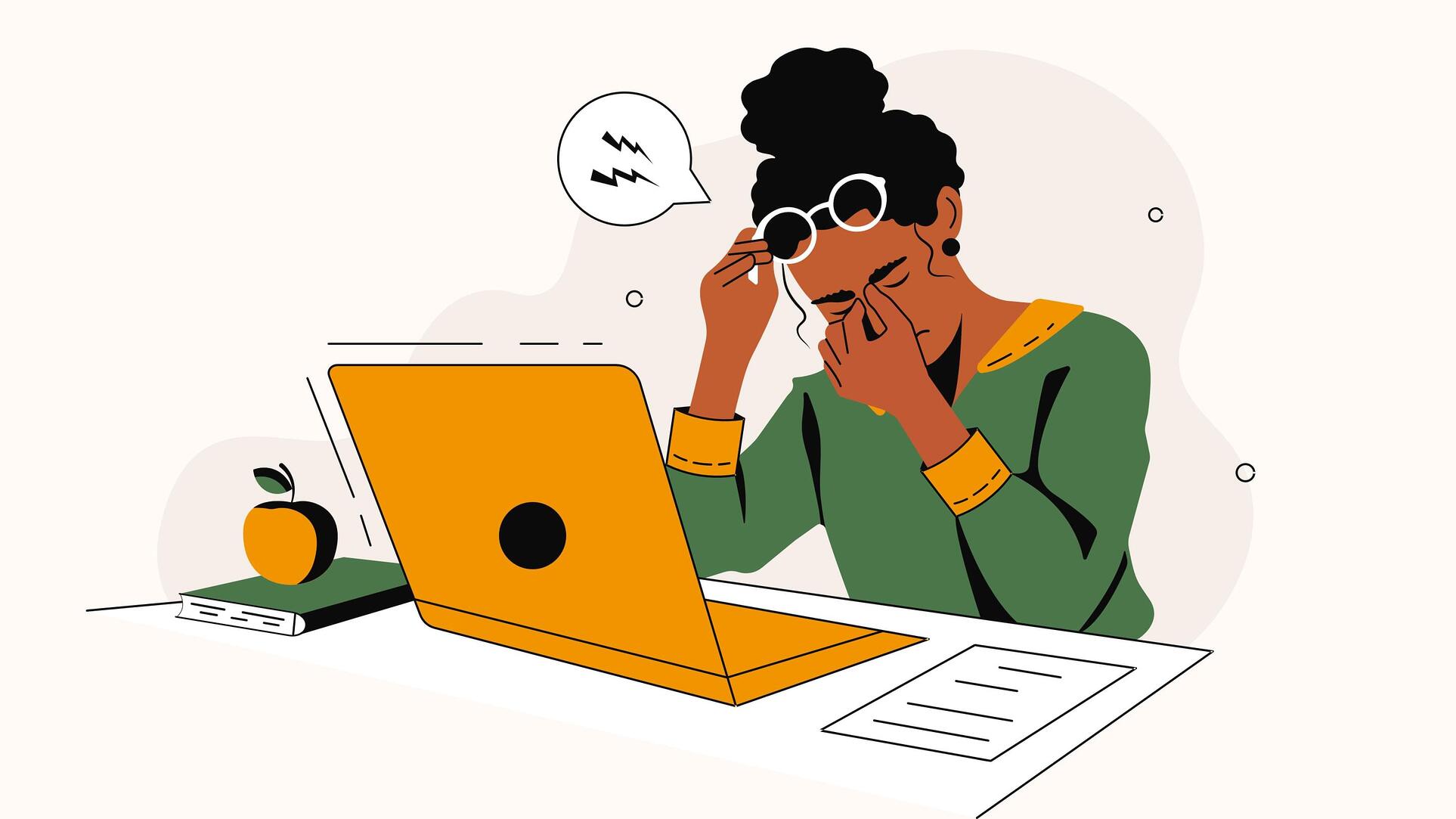
Unfortunately, your eyes weren't designed for eight hours of fixed-focus screen time, and they'll let you know about it. Dry eyes, migraines, blurred vision, and that heavy, tired feeling behind your lids is your digital eye strain talking.
The good news is that a few simple exercises, done consistently throughout your day, can genuinely help. We also offer blue light blocking lenses to filter high-energy visible (HEV) light when you have a feeling the intensity of light around you is part of the problem.
Blue Light Blocking Glasses1. The 20-20-20 Rule
This is a gold standard exercise. It’s important to incorporate the 20-20-20 rule throughout your day. The way it works:
- Every 20 minutes, look at something at least 20 feet away for 20 seconds.
This simple habit relaxes the ciliary muscle, which is the tiny muscle inside your eye that adjusts your lens for close-up focus. To have digital eye strain means your eyes have been working overtime all day. Letting it rest, even for 20 seconds, can make a big difference.
2. Palming
Palming is the quickest way to give your eyes genuine rest.
- Rub your palms together until they're warm, then gently cup them over your closed eyes without pressing on your eyelids. Hold for 30–60 seconds, breathing slowly.
Applying warmth and darkness over your eyes sends a signal to your nervous system that it's okay to relax. It sounds simple, but the relief is real!
3. Figure-Eight Eye Movements
This one improves the flexibility of your eye muscles.
- Picture a large figure eight lying on its side (like an infinity symbol) about 10 feet in front of you. Slowly trace its shape with your eyes: First in one direction, then the other.
This exercise gently stretches the muscles that control your eye movement, which often become stiff and tight from hours of fixed-point focus. If your daily life requires you to stare intently at a single point, whether or not for a digital reason, figure-eight eye movements can help.
4. Near and Far Focus
When your routine requires a fixed focus, whether on a near object like a computer screen or a far object like your eyes on the road while driving, it can feel difficult to switch from near and far.
- Hold your thumb about 10 inches from your face. Focus on it for a few seconds, then shift your focus to something far away, like a tree outside or a picture on the wall. Alternate back and forth 10 times.
This exercise also strengthens the ciliary muscle and helps maintain its flexibility, making it easier for your eyes to shift focus throughout the day.
5. Blinking Exercises
This one feels almost too easy, but it matters. When we concentrate on screens, our blink rate drops significantly, from a normal 15–20 blinks per minute down to as few as 5. According to Iowa Health Care, that’s a 66% drop in our blink rate and a recipe for dry, irritated eyes.
- Close your eyes, squeeze gently for two seconds, then open wide. Repeat 10 times when feeling dry eyes.
Thoughtfully blinking recoats your eyes in a fresh layer of tears.
Tired Eye FAQs
How can I get rid of tired eyes?
Tired eyes can be helped with these exercises, like figure eights and the 20-20-20 rule, but know when it’s time to seek a professional. If this issue is persistent and doesn’t get better with exercises, it’s time to take your vision seriously.
What are the causes of tired eyes?
Tired eyes feel like dry eye, migraines, headaches and blurred vision because your eyes are overly strained when focusing for too long. Conditions like intense light or a dry environment can make this feeling even worse. This is also called eye strain.
Can eye exercises really improve eyesight?
No, eye exercises are not to improve your vision like prescription glasses would. The eye is a very complex part of your body, and exercises can help strengthen the muscles in your eye but prescription glasses help adapt your vision to structural issues in the eye, like the shape of your eye. There’s no evidence that eye exercises can reduce your need for a prescription. There are therapy techniques that can be guided by a trained professional for severe focus issues, such as lazy eye.
What are the best exercises for eyes?
The 20-20-20 exercise is among the best. This helps give your eyes a break while shifting focus points from near to far. Sometimes, we like to stare off and “day dream” when we’re bogged down with work. This is actually your eyes telling you, yes it’s time to look away!
When Your Eyes Still Feel Tired
A few small habits go a long way when strengthening your eyes, but you may have an underlying issue that calls for a visit to an eye doctor. Acknowledge how long your strained eye feeling has persisted, and decide if it’s time to seek a professional.
If you’re not ready to make the appointment, you can also adjust your screen brightness to match your time of day, or try to position your monitor at arm's length and slightly below eye level. Blue light blocking lenses can also help reduce the intensity of screen glare. They won't replace these exercises, but pairing better lenses with a better routine is a smart approach.
If you're spending long hours in front of a screen and haven't considered blue light glasses yet, we have a complete range of blue light blocking glasses in styles for men, women and children with blue light coating available as an add-on to prescription frames too.